
Why Portugal's Tourism Industry Needs More Value and New Innovation
Portugal's new Estratégia Turismo 2035 puts value, longer stays and the whole territory first. Here is how Touristic's planner and guides are built for that shift.

Portugal has a new ten-year plan for tourism, and its message is clear: the next decade is about value, not just volume. Estratégia Turismo 2035, announced on 22 October 2026 by Secretary of State for Tourism Pedro Machado, sets out to grow the sector's gross value added and spread its benefits across the whole country. That ambition depends on new tools that change how people plan and travel. Touristic, the independent Portugal travel guide and trip planner behind touristic.pt, was built for exactly that shift. Portugal's recent title as Europe's Leading Destination shows the demand is there; the challenge now is to turn it into better trips.
What Estratégia Turismo 2035 asks for
The new strategy replaces the previous 2027 plan. Its headline targets are 50 million non-resident tourists and more than €53 billion in tourism revenue by 2035. Behind the numbers sit three practical goals: visitors who stay longer, spend more per day and travel beyond the few places that already attract most of the attention.
Machado framed the main ambition as continued growth in gross value added, together with a wider distribution of wealth across the territory. In other words, success will not be measured only by how many people arrive, but by how far their trip reaches and how much it leaves behind in the communities they visit.
Meeting those goals is not only a job for governments, airports and hotels. It also depends on the moment a traveller decides where to go, how long to stay and what to do each day. That is where planning tools matter.
Why trip planning is where value begins
Most holidays in Portugal are still shaped by a short list of famous names, from the palaces of Sintra to Lisbon's waterfront attractions and Porto's landmarks. Travellers often book the obvious city, add a beach and leave, not because the rest of the country lacks appeal, but because it is harder to picture how a second region, an inland town or an extra night would fit into the trip.
Every extra night and every additional region is a decision made during planning. If the information is scattered, slow or only available in one language, travellers default to the familiar. If it is clear, realistic and easy to adjust, they explore further. Changing that moment is one of the most direct ways to support the goals of the 2035 strategy.
How Touristic turns the strategy into a better trip
Touristic was designed around the same priorities the strategy sets out: longer stays, better-spread visits and travel that makes sense in every season.
A day-by-day planner instead of a checklist
The Touristic trip planner builds a route day by day from the traveller's chosen destination and dates, with a realistic budget estimate in euros. Seeing a full itinerary makes it easier to add a night or a second stop, because the traveller can check how it fits before booking anything. A longer, well-planned stay is exactly the kind of higher-value trip the strategy wants to encourage.
Lesser-known Portugal, put on the map
Alongside the classic highlights, Touristic publishes guides to places that deserve more visitors: the schist villages of the Centro region, the Rota Vicentina coastal trail, the walkways of Serra da Estrela, the Peneda-Gerês National Park and the Douro Valley vineyards. Our guide to the best places in Portugal brings these regions together in one overview. Giving these destinations the same clear, practical coverage as Lisbon or Porto helps spread visits, and spending, across the territory.
Travel that works outside the peak months
The strategy's focus on the whole year is reflected in guides such as the Algarve off-peak guide, which shows how the coast works in spring and autumn, and in our guide to quieter Algarve beaches. Winter has its own appeal too, from Serra da Estrela in the snow to Nazaré's big-wave season. Weather information, a Portugal beach weather guide and a calendar of annual events and festivals help travellers choose quieter weeks with confidence rather than defaulting to July and August.
Four languages from the start
Touristic is published in English, European Portuguese, French and Spanish. Clear information in a visitor's own language lowers the effort of exploring further, and it serves both international travellers and the domestic market, which remains an important part of Portuguese tourism.
A mobile app for travellers on the move
A Touristic mobile app is in development, designed to carry the same planning tools into the trip itself, where decisions about the next stop or the next day are often made. Travellers can join the waitlist on the homepage to be among the first to try it.
Innovation that serves places as well as visitors
Value in tourism is not only about spending. It also means better outcomes for the places people visit. When trips are spread across more regions and more months, the pressure on crowded centres eases, and more towns share in the income that tourism brings.
Touristic aims to make those choices easy rather than demanding. A traveller does not need to give up the famous sights; the planner simply shows how to combine them with places off the usual circuit, at a pace that leaves time to enjoy each stop. Small changes in many itineraries can add up to the kind of shift the 2035 strategy describes.
Planning your trip with the 2035 goals in mind
For travellers, the practical steps are simple. Consider staying an extra night instead of squeezing another city into a day trip. Add one region you have not visited before. Look at spring and autumn dates, or consider a slower trip by campervan, when many destinations are quieter and just as rewarding. Book experiences run by local businesses where you can, and explore regional food and drink and culture and heritage along the way.
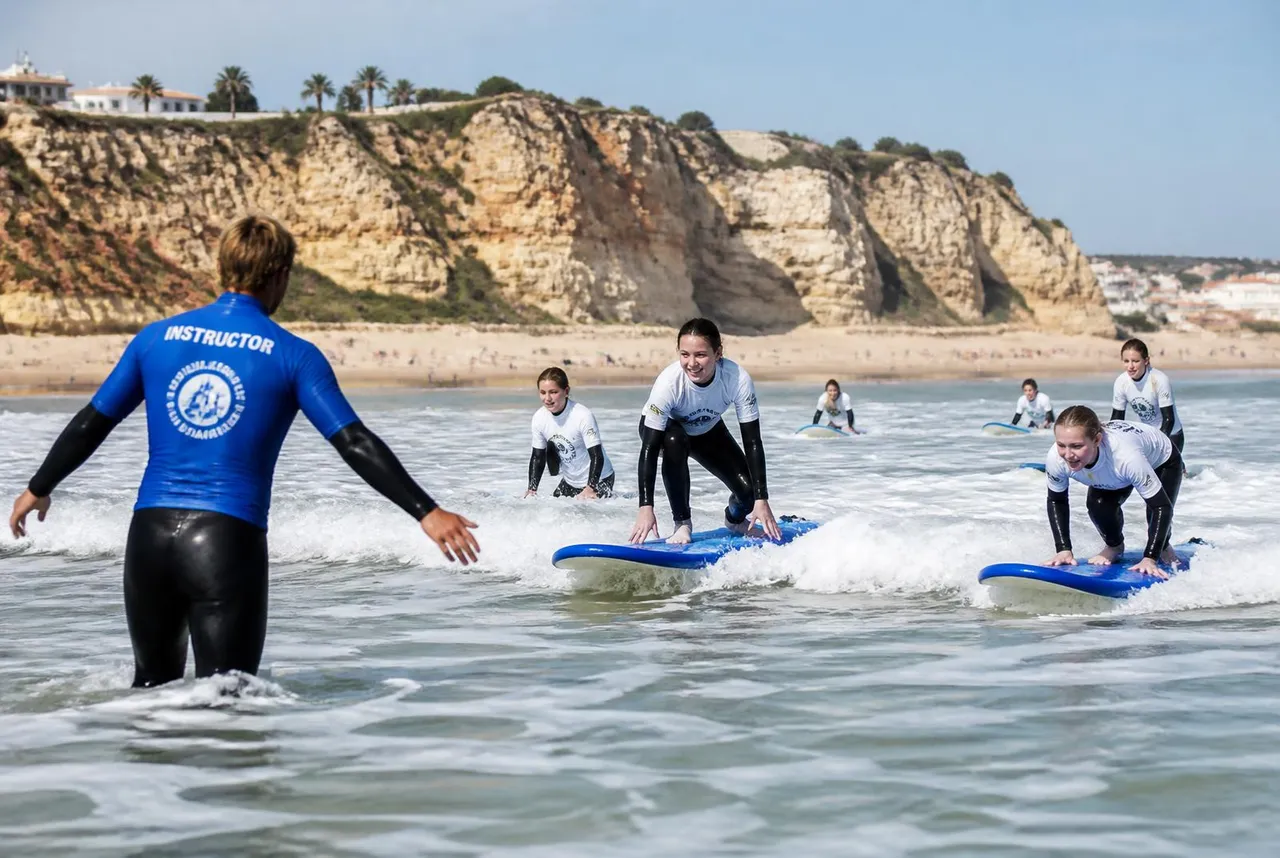
The photograph above shows Carvoeiro on the Algarve coast, a place that is busy in summer and rewards visitors in quieter months. Start with the Touristic trip planner to build a route that fits your dates and budget, then explore the guides for ideas beyond the obvious.
Portugal's tourism strategy sets the direction for the next decade. Better planning tools are one of the ways that direction becomes a better trip for travellers and a better result for the places they visit.
FAQ
- What is Estratégia Turismo 2035?
- It is Portugal's ten-year tourism strategy, announced on 22 October 2026. It targets 50 million non-resident tourists and more than €53 billion in tourism revenue by 2035, with a focus on value added and spreading benefits across the country.
- How does Touristic support the 2035 goals?
- Its day-by-day trip planner and guides make it easier to stay longer, add lesser-known regions and travel outside peak months, the same priorities the strategy sets out.
- Is the Touristic trip planner free?
- Yes. You can build a day-by-day route with a budget estimate in euros on touristic.pt without creating an account.
- Which languages does Touristic support?
- Touristic is published in English, European Portuguese, French and Spanish.
- Is there a Touristic mobile app?
- A mobile app is in development. You can join the waitlist on the touristic.pt homepage to hear when it launches.
Latest articles
 Travel News
Portugal Named Europe's Leading Destination at World Travel Awards 2026 in the Bay of Kotor
Portugal, Lisbon and the Algarve won destination titles at the World Travel Awards Europe Gala in Montenegro on 17 October 2026.
 Beaches
Algarve Off Peak: The Best Time to Visit for Warm Sea and Half the Prices
The Algarve off peak has warm water into November, hotel prices that halve and coast paths you can walk alone. Here is the month by month picture.
 Nature, Outdoors & Sports
Algarve Surf Camps for Beginners: Where to Learn Without Getting Hurt
The Algarve teaches surfing well because it has two coasts. When the west is too big, the camps drive you south to knee high water and a good day.