
Rota Vicentina: Walking Portugal's Wildest Coast
Plan a coastal walk with current route maps, realistic stages, accommodation, luggage transfers and practical safety advice.

Photo: Wikimedia Commons (CC BY-SA)
The southwest coast of Portugal is a good place to remember that walking is not just a way of getting somewhere. Sand changes your pace, wind changes the sound around you and the Atlantic keeps pulling your attention away from the map. The Fishermen's Trail is part of the Rota Vicentina network, and the sensible way to enjoy it is to plan around those conditions rather than a heroic distance target.
Choose the trail you actually want
Rota Vicentina is not one interchangeable line on a map. The Fishermen's Trail is the coastal option; the network also includes the Historical Way and circular walks. Compare the official route information before deciding which suits your time, experience and transport. Route alignments, stage descriptions and restrictions should come from that source, not an old screenshot.
You do not have to complete an entire long-distance route to have a worthwhile trip. Choose connected stages if you want to move between overnight stops, or a published circular walk if you prefer returning to the same base. An out-and-back is another possibility where permitted, but remember that the return still has to be walked. Leave enough energy and daylight for it.
Plan stages around sand and exposure
Soft sand can make a modest-looking distance tiring. Exposed stretches offer little shelter, and repeated climbs out of small valleys add effort that a simplified map can hide. Read the stage's surface and ascent information alongside its distance. Let the least confident person in your group set the pace, and avoid stacking demanding days without a recovery option.
Porto Covo, Vila Nova de Milfontes, Almograve, Zambujeira do Mar, Odeceixe, Aljezur and Carrapateira are useful names when researching the coast. The Mira crossing around Milfontes, the Cabo Sardão area and the Bordeira dunes give different stages their character. Check the current official stage maps rather than assuming that any pair of these places forms an easy day. Our Portugal campervan routes help place the coast within a wider journey.
Think about the season, then check the day
Spring and autumn are worth considering for coastal walking, but a season is not a weather guarantee. Check the forecast and official alerts before departure and again while travelling. Heat, strong wind and persistent rain can all change a plan. Choose an inland or shorter alternative when a coastal stage is unsuitable rather than treating the booked itinerary as an obligation.
Set your departure time around conditions and available daylight, not a universal rule about starting at a particular hour. Carry sun protection, a wind-resistant layer and rain protection as appropriate. On exposed paths, stay well back from cliff edges and never leave the marked trail for a photograph. A distant sea stack is interesting without getting closer to an unstable edge.
Pack for the space between villages
Carry sufficient drinking water and food for the stage, allowing for heat, delays and your own needs. Check where supplies can actually be obtained before setting off. Do not assume a seasonal café, shop or water point will be operating. Footwear should fit well and be comfortable on sand and uneven ground; test it before the trip rather than introducing new shoes on the first morning.
Keep maps and essential contact details offline. A charged phone is useful, but it is not a substitute for knowing the route and your fallback options. Tell someone your intended stage and overnight stop. For a different walking environment, compare the Peneda-Gerês autumn guide, where wet granite creates a different set of decisions.
Sort accommodation and luggage together
Book overnight stops to match the route you have chosen. Confirm arrival arrangements, food availability, cancellation conditions and where the following stage begins. A room in the right village can still involve an extra walk at the end of a tiring day. Ask directly instead of assuming that every property is on the trail.
Luggage transfer can make a multi-day walk easier, but it needs to be arranged with the provider. Confirm collection locations, deadlines, bag limits, prices and what happens if you change the itinerary. Check the official site for current details. Carry your day's essentials even when the main bag is being moved. No transfer service removes the need to be self-sufficient while walking.
Check crossings and onward transport
A stage involving a river crossing needs a plan for the crossing, not just the path leading to it. Around the Mira, confirm whether a boat service is operating and what the official alternative involves. Never assume that a crossing will be available simply because it appears in somebody else's trip account.
Look up coach and local bus services for your actual date, including the return. Weekend or seasonal patterns may not suit your itinerary. Arrange any private transfer beforehand and allow room for a delay. If you plan to continue south afterwards, our Algarve beaches guide offers coastal context, while the schist villages guide suggests an inland contrast.
Leave the coast as you found it
Stay on marked paths to protect dunes and avoid disturbing nesting birds. Keep your distance from wildlife and carry rubbish to an appropriate bin. Check current local rules for dogs, bicycles and camping rather than treating the whole network as one unrestricted recreation area. Rota Vicentina's guidance recommends dogs be leashed and notes the difficulties of narrow coastal paths.
Before each stage, make a final check of route notices, weather, water, the crossing if relevant and your overnight arrangements. If something does not fit, shorten the walk or change the plan. A good coastal trip leaves room for watching the ocean; it does not require finishing every line on the map.
FAQ
- Do I have to walk the entire Fishermen’s Trail?
- No. Choose suitable connected stages, an official circular walk or a permitted out-and-back. Check the current official maps and allow for the return journey.
- Is the Fishermen’s Trail difficult?
- Sand, exposure and climbs can make it more tiring than distance alone suggests. Read the official stage description and choose according to your group and conditions.
- Can luggage be transferred?
- Providers offer transfers, but confirm the route, collection arrangements, limits and current prices directly. Check the official site before booking.
- Can I bring a dog?
- Rota Vicentina advises keeping dogs leashed and notes that narrow Fishermen’s Trail paths can be difficult. Check current local restrictions and choose a suitable route.
Latest articles
 Hidden Gems
The Azores' Hidden Lagoons You've Never Heard Of
Forget Sete Cidades for a moment. These volcanic crater lakes feel as if no one has been there in a hundred years.
 Natural Landscapes
Peneda-Gerês: Portugal's Only National Park
Granite peaks, wild Garrano horses, glacial lagoons and stone villages where time slows to the rhythm of cowbells.
 Road Trips
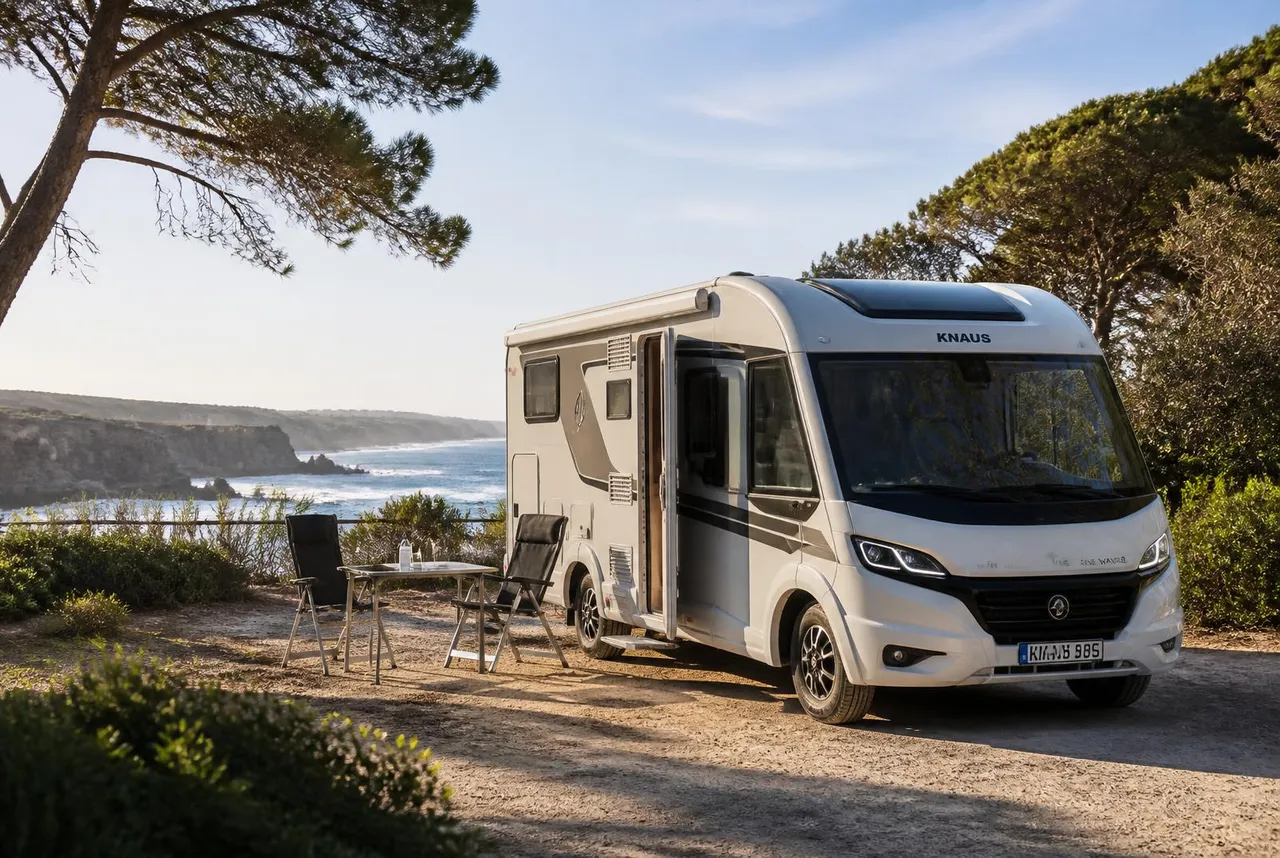
Portugal by RV and Van: Slow Roads, Ocean Air and Better Stops
A practical, respectful guide to campervan travel in Portugal, from the Atlantic coast to rural campsites and small towns worth slowing down for.